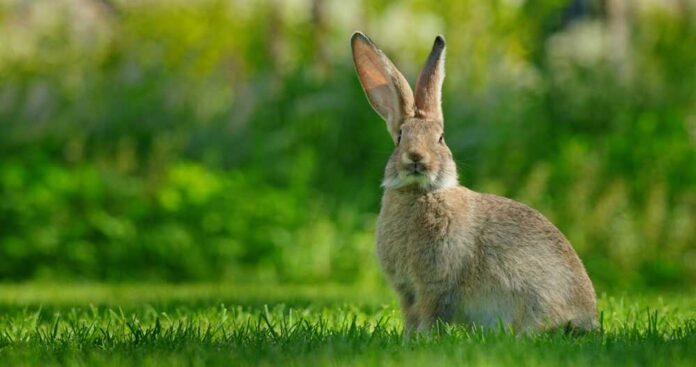
Residents in parts of the Midwest have reported sightings of wild rabbits with unusual growths, but wildlife pathologists at the University of Missouri and the Colorado Parks and Wildlife Department say these animals do not pose any health risk to humans or pets.
Story Snapshot
- Colorado rabbits displaying horn-like and tentacle-shaped growths spark viral social media panic
- Wildlife experts confirm Shope papilloma virus causes alarming but harmless deformities
- Virus spreads only between rabbits through insect bites, not to humans or other animals
- Public confusion highlights need for better wildlife disease education amid social media misinformation
Viral Panic Grips Colorado Communities
Fort Collins, Colorado residents have flooded social media with disturbing images of wild rabbits sporting grotesque horn-like protrusions and tentacle-shaped growths covering their heads and faces. The shocking visuals have triggered widespread public alarm, with many residents fearing a dangerous disease outbreak threatening their families and pets. These dramatic sightings have intensified throughout 2025, with some individual rabbits returning to the same areas displaying progressively worse deformities over multiple encounters.
State wildlife agencies report similar cases across multiple Midwest states, confirming this phenomenon extends far beyond Colorado’s borders. The condition creates keratinized, wart-like tumors that transform rabbits into creatures resembling mythical beasts rather than typical cottontails. Social media platforms have amplified public concern as these disturbing images spread rapidly, generating speculation about potential bioweapons, environmental contamination, or emerging zoonotic diseases.
Decades-Old Virus Behind Modern Scare
According to the University of Missouri’s Veterinary Medical Diagnostic Laboratory and the Colorado Parks and Wildlife Department, the growths are caused by Shope papilloma virus, a condition first documented in the 1930s. The U.S. Geological Survey’s National Wildlife Health Center notes that the DNA virus affects only rabbits, producing keratinized tumors mainly on the head and face. The University of Missouri and state wildlife agencies emphasize that despite its horrifying appearance, the virus poses absolutely no threat to humans, domestic pets, or other wildlife species.
Mosquitoes and ticks transmit the virus exclusively between rabbit populations during warmer months when insect activity peaks. Cottontail rabbits in the Midwest remain particularly susceptible to infection, though the virus occasionally affects domestic rabbits. Seasonal outbreaks correlate directly with increased insect transmission vectors, explaining why recent sightings have intensified during summer months across affected regions.
Expert Reassurance Counters Public Hysteria
State veterinarians and wildlife health laboratories have issued comprehensive statements clarifying that Shope papilloma virus cannot cross species barriers. Officials stress that concerned residents need not fear for their children, pets, or livestock despite the virus’s dramatic visual impact on infected rabbits. The condition remains completely contained within wild rabbit populations, with extensive monitoring confirming zero evidence of broader ecological threats or cross-species transmission.
🐇⚠ Strange sightings in Colorado — rabbits with tentacle-like growths caused by a rare virus. Nature’s mysteries can be unsettling. #WildlifeAlert #Colorado#buck pic.twitter.com/42wxCqG8QM
— deep Jangra (@JangraRan1812) August 13, 2025
Wildlife agencies urge residents to report sightings for disease surveillance purposes while avoiding direct contact with affected animals. This measured response demonstrates how proper scientific communication can address public fears without creating unnecessary panic. The case underscores, according to Colorado Parks and Wildlife biologists, the importance of clear wildlife disease education, especially in situations where social media images can lead to public misunderstanding about actual health risks.
Sources:
Rabbit Hemorrhagic Disease Virus
Rabbit Hemorrhagic Disease Virus