Byron Donalds used his primary-night win to vow a statewide “no sacred cows” spending crackdown built on Florida’s existing Department of Government Efficiency.
Story Snapshot
- Donalds won the Republican nomination for Florida governor and pledged to expand DOGE reviews statewide.
- He said there will be “no sacred cows” and promised to post all state spending online for the public.
- Florida already has a DOGE framework launched under Governor Ron DeSantis in 2025.
- The pledge echoes his past public defense of DOGE’s investigations into waste and inefficiency.
Donalds’ Primary Win And Immediate Pledge
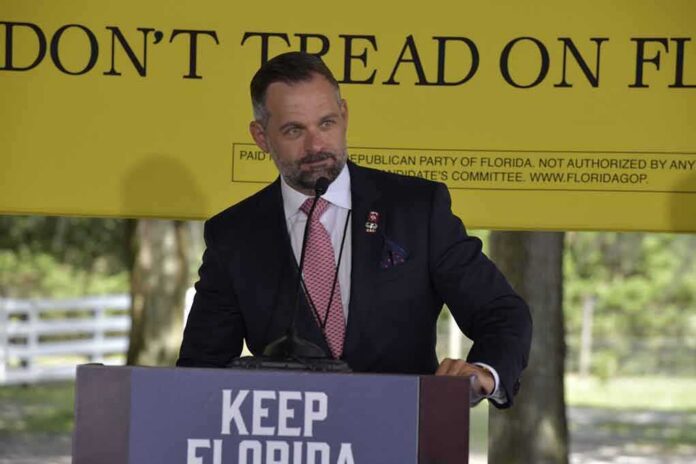
On August 18, Byron Donalds secured the Republican nomination for Florida governor. In his victory remarks, he pledged to extend Florida’s Department of Government Efficiency to “all local governments and all state agencies,” and said there would be “no sacred cows” in spending reviews. He paired that with a promise to post all state spending online for residents. The pledge came the same night he became the GOP nominee, making it a central general-election message.
Donalds also framed the promise as a transparency push. He said taxpayers deserve to know how their money is spent and linked that goal to broader efficiency audits. The statements match his earlier campaign focus on fees, permitting delays, and the pressure those costs place on families and small businesses. That continuity suggests his audits would target both process delays and budget waste, not just headline programs. Still, the campaign has not released a detailed timeline or cost estimate for the plan.
What Florida’s DOGE Already Is
Florida is not starting from scratch. Governor Ron DeSantis created a state-level Department of Government Efficiency in 2025. State materials and party statements describe the unit as a task force to examine waste, improve accountability, and review spending in both agencies and local governments. That backdrop gives Donalds a ready-made structure to inherit or expand, rather than requiring a brand-new build. It also sets baseline expectations for audits and public reporting.
Reports and releases during the DeSantis years said the state efficiency unit traveled to jurisdictions to look for waste and suggest improvements. Some coverage highlighted visits and requests for local budget data. The approach aimed to push agencies and cities to justify costs and drop low-value spending. That history matters now because Donalds is promising to apply that model everywhere, at once, with no exemptions. The scope and pace he chooses will shape the results.
How Donalds’ Pledge Fits His Record
Before this week’s primary, Donalds publicly defended efficiency efforts tied to the national DOGE brand. He argued that investigators should be allowed to finish work on questionable contracts and spending gaps. Those comments signaled long-standing support for audits and cost-cutting. They also suggest he sees process reviews, not just program cuts, as part of the fix. That stance now carries the weight of a nominee’s platform in a large, complex state.
BREAKING: Byron Donalds vows to continue DeSantis' Florida DOGE after securing the Republican nomination for governor:
"An affordable Florida starts with a limited government that respects hard-working taxpayers who fund it."
pic.twitter.com/1rcVGHvAWC— Klay Browning (@KlayBrownn) August 19, 2026
His June remarks about affordability and permitting delays showed where savings might come from. He pointed to slow approvals and layered rules that can raise prices for homes and projects. If he wins in November, those themes point to early targets: faster permits, clearer rules, and fewer fees. Posting every dollar online could also pressure agencies to justify line items. But making that site accurate, current, and useful to the public will require steady funding and technical work.
Why Voters Across The Spectrum Care
Florida families worry about high costs and government waste, while local leaders worry about state mandates without support. Donalds’ plan speaks to both sides by promising sunlight and speed. Supporters on the right hear a push against “business as usual” in government. Supporters on the left who want accountability may welcome broad spending data online. Yet the real test will be how audits define “waste,” and whether savings come from smarter management or service cuts that people feel.
Government efficiency drives often attract strong backing and strong pushback. Past efforts in Florida drew attention for sweeping claims and broad reviews. Donalds’ “no sacred cows” line signals that protected areas could face scrutiny. That could mean higher education, health programs, or local projects will see hard questions. Clear criteria, public dashboards, and plain-language updates will help residents judge if the effort is fair, effective, and grounded in facts rather than slogans.
What To Watch Next
Watch for a transition-ready plan with timelines, staffing, and targets. Look for a spending website prototype, not just a promise. See whether local governments cooperate or challenge the state’s reach. Track whether the audits focus on process fixes, vendor contracts, or whole programs. Finally, compare new actions to the DeSantis-era framework to see if Donalds is extending existing tools or reshaping them. For now, the primary-night pledge sets a clear marker for the fall campaign.
Sources:
facebook.com, nypost.com, local10.com, floridapolitics.com, radio.foxnews.com, thehill.com, atr.org, nytimes.com