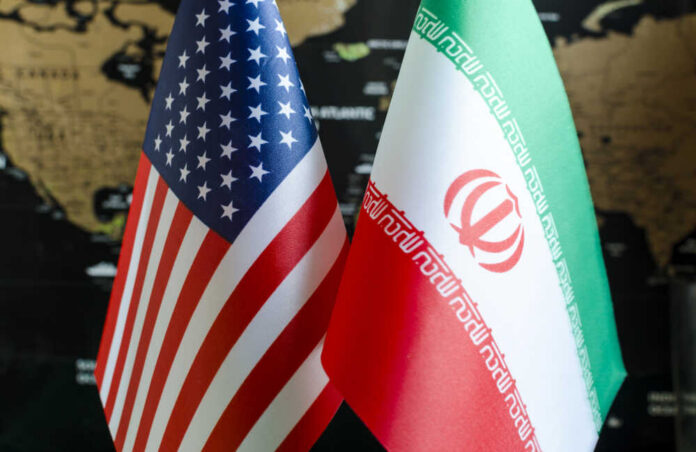
As Washington touts “progress” on Iran, the White House is blasting critics while hard questions over uranium and sanctions relief remain unresolved—raising alarms that secrecy and spin could mask concessions with lasting consequences.
Story Snapshot
- President Donald Trump says an Iran agreement is “largely negotiated,” but core issues remain unsettled [5].
- Trump labeled Iran’s latest response “totally unacceptable,” underscoring major gaps in talks [1].
- Analysts warn fighting and diplomacy are advancing in parallel, heightening risks and leverage plays [2].
- The dispute revives a familiar cycle: public optimism before details are fixed, then backlash when terms surface [7].
Public Claims Of Progress Collide With Unsettled Substance
President Donald Trump has told audiences that an agreement with Iran is “largely negotiated” and that details could be finalized soon, signaling momentum toward a framework to reduce regional tensions and reopen critical shipping lanes [5][8]. At the same time, he has rejected Iran’s latest response as “totally unacceptable,” a phrase that highlights the unresolved nature of key provisions and the risk of premature victory laps [1]. These mixed signals suggest negotiations remain fluid despite public assurances of imminent closure [6].
Officials and media reports describe active diplomacy alongside continued clashes, a dynamic that increases pressure on negotiators while complicating verification and enforcement designs [2]. That twin-track reality—violence and bargaining moving together—can force hurried judgment calls on sanctions relief, shipping access, or military postures before verification steps are nailed down [2]. Supporters see urgency as leverage; critics see it as a pathway to short-term calm that leaves long-term nuclear and regional risks intact [2].
Core Dispute: Verification, Uranium, And Sequencing Of Relief
Critics argue the negotiations may concede too much before Iran’s most sensitive activities are constrained in measurable ways, reviving concerns that verification could lag behind benefits Tehran receives. Trump’s declaration that Iran’s reply crossed a red line indicates at least one major sticking point remains, likely touching on nuclear limits, exports, or inspections—areas that historically determine whether a deal is enforceable or merely aspirational [1]. Absent clear public terms, both supporters and skeptics must read signals while critical details remain undisclosed [1][2].
Statements that the agreement is nearly done, followed by reports of unacceptable counteroffers, match a pattern documented in the 2025–2026 timeline: deadlines, optimistic pronouncements, and renewed friction when particulars surface [7]. That cycle can shape markets and allied planning while leaving the public in the dark about tradeoffs on uranium stockpiles, centrifuge limits, ballistic activity, or regional militias. The longer the substance stays opaque, the easier it becomes for any side to claim victory without proving durable compliance [7].
Domestic Frustrations: Transparency, Accountability, And Costs
Americans across the spectrum—hawkish conservatives wary of weak verification and liberals skeptical of open-ended conflict—share a demand for transparent terms and enforceable benchmarks. Reports warning that military options remain on the table, even as diplomacy proceeds, deepen concerns that Congress and the public are being sidelined while decisions with real costs are made behind closed doors [2]. Voters who already distrust Washington’s “trust us” approach want sequencing that is public, testable, and reversible if Iran backslides [2][7].
If the administration finalizes a framework, the integrity test will rest on specifics: what uranium thresholds apply, what inspections trigger relief, what snapback mechanisms bite, and how regional escalation is deterred without writing blank checks. Trump’s sharp pushback at critics sets a combative tone, but the only way to quiet bipartisan doubts is to publish the terms, demonstrate verification pathways, and submit meaningful oversight to elected branches. Until then, claims of a near-finished deal will invite scrutiny rather than confidence [1][5][7].
Sources:
[1] Web – Trump says Iran’s response to peace proposal “totally unacceptable”
[2] Web – Trump Weighs Iran Military Options Amid a Weekend of Clashes and …
[5] YouTube – US Iran LIVE: Trump Says Peace Deal ‘Largely Negotiated’
[6] YouTube – Trump says agreement on Iran war ‘largely negotiated’
[7] Web – 2025–2026 Iran–United States negotiations – Wikipedia
[8] YouTube – Trump says Iran deal ‘largely negotiated’ including reopening Strait …