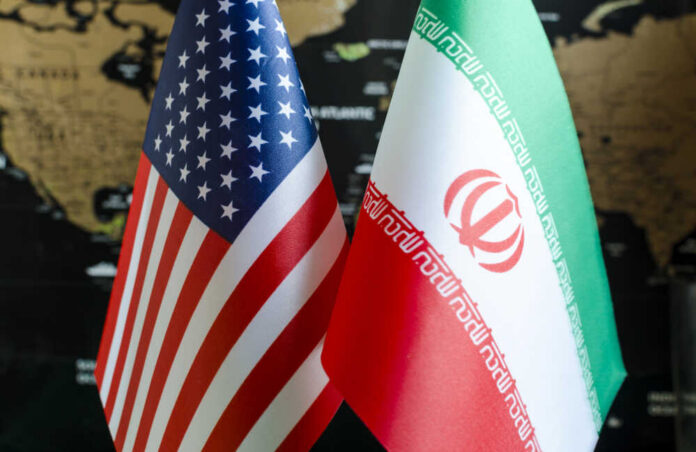
A fragile U.S.–Iran ceasefire may have stopped the shooting in the Third Gulf War, but it has not clearly crowned a winner—and it demands sharp scrutiny from Americans who care about strength, security, and the Constitution.
Story Snapshot
- The “peace deal” is a 60‑day memorandum, not a final surrender or treaty.
- Trump says the war is over and the Strait of Hormuz will reopen, easing oil prices and helping our economy.[8]
- Iran gets sanctions relief talks and access to frozen assets if it follows through.[6]
- Key nuclear issues and verification fights are pushed into later negotiations, where they can still go wrong.
What People Mean By The ‘Third Gulf War’
Commentators use the phrase “Third Gulf War” to link this conflict to the earlier wars in the Persian Gulf region, both of which ended with clear battlefield wins by U.S.-led coalitions.[2][3] The first Gulf War in 1990–1991 saw a United States–led force drive Saddam Hussein out of Kuwait in a decisive victory and restore that country’s freedom.[2][3] Today’s clash is different. It began with United States and Israeli strikes on Iran, then spread across the region, dragging in many countries and closing the Strait of Hormuz.[4][5] Instead of tanks in the desert, this war has been fought with missiles, drones, naval blockades, and proxy militias, and it has hit global energy markets hard.[4] That is why the question “Who won?” now centers less on a photo of surrender and more on whose strategic goals are met when the dust settles.
Unlike the first Gulf War, there has been no formal surrender ceremony, no occupation of a hostile capital, and no signed, public treaty laying out permanent terms.[2] Instead, the United States and Iran have announced a memorandum of understanding that pauses the fighting, reopens key sea lanes, and launches 60 days of further talks. Analysts note that such a short ceasefire window means this is not the end state of the war but a test period that can still collapse if either side cheats or stalls.[6] Pakistan and Qatar helped mediate the framework, adding extra moving parts and more room for mixed messaging about who promised what.[6] For a conservative audience that remembers how “temporary” deals like the 2015 nuclear accord were sold, this pattern feels familiar: big headlines, weak documents, and many chances for bad actors to game the system.
What The Ceasefire Deal Actually Does
Reports say the new agreement is a 14‑point memorandum of understanding that stops active combat, reopens the Strait of Hormuz, and ends the United States naval blockade of Iran.[6] The war had closed that strait, blocking up to a fifth of the world’s oil and driving up prices, so any move to clear mines and restore shipping brings immediate relief to drivers and families at home.[6] Under the framework, Iran is supposed to halt military actions across all fronts, including Lebanon, while the United States and allies shift forces back and ease some restrictions on Iran’s oil and petrochemical exports.[6] In return, the United States agrees to talk about sanctions relief and the release of billions in frozen Iranian assets during the 60‑day window, without yet cutting a blank check.[6] Trump has publicly framed the deal as bringing a permanent end to military operations and promised that ships of the world can “start their engines,” signaling that his goal is to secure peace through strength while boosting the global economy.
Nuclear issues, which are at the heart of Iran’s threat to Israel and the wider region, are only partly addressed in this first step.[6] According to United States officials and public summaries, Iran is expected to commit never to seek nuclear weapons and to accept future talks that would remove or dilute its stockpile of highly enriched uranium. Early drafts and leaks suggest a push for Iran to dismantle key parts of its nuclear program and possibly ship out or destroy sensitive material, echoing debates from the old Joint Comprehensive Plan of Action era. At the same time, some reporting from Iranian-linked outlets hints that Tehran wants to keep some enrichment rights and full control over the Strait of Hormuz, which would clash with tougher Western demands and raise the risk of later showdowns.[7] A White House official has claimed Iran agreed to dismantle its nuclear program under the deal, but Iranian leaders have not clearly confirmed this in public, underlining how much will ride on inspections and verification.[6] For conservatives, that brings back every concern about secret side deals, weak enforcement, and foreign regimes gaming American goodwill.
So Who Really ‘Won’ The Third Gulf War?
On paper, the United States can claim important gains. The strikes earlier in the war appear to have seriously hurt Iran’s missile launchers and military assets, reducing its ability to threaten neighbors and United States forces.[7] The new memorandum promises that the Strait of Hormuz will be open with no Iranian tolls or harassment, which protects global trade and limits Iran’s power to choke off energy supplies when it wants leverage. If the follow‑on talks truly force Iran to dismantle its nuclear program, destroy or remove enriched uranium, and stop funding terror proxies, then the United States and its allies will have turned intense short war pressure into long‑term security benefits. Trump’s team also avoided the kind of open‑ended ground war that many Americans fear, using air power, naval strength, and economic pressure instead of massive troop deployments, which lines up with a promise to defend our interests without endless occupations.[5][7] But these wins depend on whether Iran follows through, inspectors get real access, and Washington stays firm instead of drifting back into the soft, appeasement‑style diplomacy that many conservatives blame for past failures.
The US and Iran have reached a preliminary agreement, easing global markets and oil prices. However, some analysts argue that it's more of a pause than a peace deal, as key issues remain unresolved. The memorandum of understanding is expected to be formally signed in Switzerland,…
— Tegu breaking news. (@tegufy_news) June 16, 2026
Iran, meanwhile, can point to its own set of advantages. It withstood months of strikes without regime collapse, kept its government intact, and now faces the end of a painful blockade plus the prospect of sanctions relief and access to tens of billions in frozen funds if talks succeed.[6] The ceasefire terms reportedly allow Iran to claim it won an “immediate and permanent” end to hostilities on all fronts, including areas where its proxy forces operate, letting leaders tell their public that resistance forced the United States to the table.[3] Because the memorandum is only a framework and the full text is not yet public, Tehran can spin the deal to regional audiences as a victory for its “axis of resistance,” while later dragging its feet or arguing over every inspection and disarmament step. That is why some analysts warn this could become another case where Iran banks economic relief up front while stalling on deeper concessions, unless the Trump administration uses every tool—sanctions snapback, military deterrence, and clear red lines—to force compliance. From a conservative view, that means the war is not truly “won” until Iran’s nuclear ambitions, terror funding, and regional bullying are verifiably rolled back, not just paused on paper.
Sources:
[2] Web – #US, #Iran confirm peace deal, official signing on June 19 – Facebook
[3] YouTube – Donald Trump Announces Formal Signing Of Iran Deal On June 19 …
[4] Web – Live updates: US, Iran confirm peace deal, official signing on June 19
[5] YouTube – U.S., Iran reach peace deal; signing set for June 19
[6] Web – Trump says US-Iran deal to be signed Sunday as Tehran casts …
[7] Web – U.S. and Iran reach initial deal to end war, reopen Strait of Hormuz
[8] Web – U.S. and Iran reach framework deal to end war and reopen the Strait …