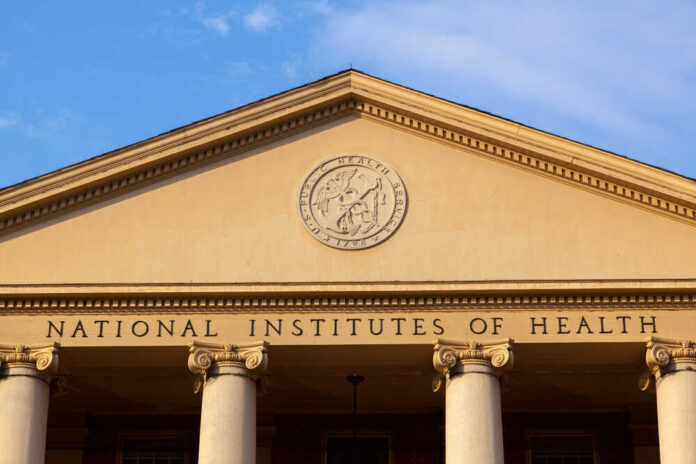
A quiet court settlement is forcing the NIH to reopen the spigot on hundreds of millions in DEI and gender-identity grants that many conservatives thought were finally on the chopping block.
Story Snapshot
- NIH has agreed to reconsider thousands of frozen or denied DEI, gender-identity, and related grants using its normal review process.
- Roughly $783 million in disputed funding is back in play after courts rejected parts of the earlier termination campaign.
- More than 5,000 grants are covered, with hundreds already approved again for topics conservatives see as woke health agendas.
- Trump-era priorities are still shifting NIH away from DEI long-term, even as courts force this short-term retreat.
How Courts Pushed NIH to Reopen DEI and Gender-Identity Grants
Early in 2025, after President Trump returned to office, the administration moved quickly to rein in what many Americans viewed as an out-of-control DEI and gender-ideology apparatus inside federal health research. Internal guidance at the National Institutes of Health told staff to halt or terminate grants tied to diversity, equity and inclusion, gender identity, LGBTQ+ health, workforce diversity, vaccine hesitancy, and similar topics. That guidance froze or canceled hundreds of existing projects and stopped new proposals in those categories from even being reviewed.
The left did not take this shift quietly. Scientists, professional associations, labor unions, and a multistate coalition of Democratic attorneys general sued in federal court, claiming the administration’s directives were unlawful, discriminatory, and politically motivated. A federal district judge in Massachusetts concluded the terminations likely violated administrative law and ordered NIH to restore more than 2,000 already-awarded grants. Appeals followed, and the First Circuit and then the Supreme Court weighed in, signaling serious legal problems with the broad anti-DEI directives even while limiting some of the relief available.
What the Legal Settlement Forces NIH to Do Now
By late December 2025, with mounting legal setbacks, NIH and the Trump administration agreed to settlements designed to end the lawsuits over frozen and denied grants. Under those deals, NIH must reconsider thousands of applications that were stalled, withdrawn, or turned down under the anti-DEI guidance. Crucially, reviewers must now use the agency’s standard scientific process and cannot apply special criteria targeting DEI, gender identity, or other previously disfavored topics when scoring those proposals.
The scale of the funding at stake is enormous. A Supreme Court analysis in a related case estimated about $783 million in NIH grants were implicated by the earlier termination policies. Overall, more than 5,000 grants fall under the various settlement agreements, including projects supported by state universities, teaching hospitals, and research centers nationwide. Within days of the settlement filing, NIH had already issued decisions on hundreds of applications, including more than 500 covered by attorneys general, with many previously shelved projects suddenly moving forward again.
Why This Matters for Conservative Taxpayers and Constitutional Limits
For conservatives who applauded efforts to defund ideological research, the settlement is a reminder that even a reform-minded administration must operate within legal guardrails. Courts concluded NIH could not retroactively cancel grants or invent vague anti-DEI categories without clear definitions and proper procedures. That kind of arbitrary action, judges suggested, undermines rule-of-law principles the right depends on when fighting overreach in other areas like gun control, speech, or religious liberty. Process still matters, even when the policy goal is course-correcting woke bureaucracy.
At the same time, the episode exposes how deeply DEI has been baked into the research world after years of Biden-era and earlier progressive influence. Grants now being reconsidered include work on transgender health, LGBTQ+ health, and workforce diversity—areas many conservatives see as activism packaged as science. Advocacy groups and liberal attorneys general are celebrating the settlement as a victory that rescues these agendas using taxpayer dollars. The fact that litigation could temporarily revive so much controversial research shows how entrenched the DEI mindset remains inside universities and professional organizations.
NEW: A portion of diversity, equity, and inclusion (DEI) grants frozen or denied by the National Institutes of Health (NIH) last year will be reviewed and possibly reinstated by the Trump administration to appease the left. https://t.co/vkw66dayI0 pic.twitter.com/ThvW9eYgmd
— Judicial Watch ⚖️ (@JudicialWatch) January 8, 2026
Yet the settlement does not hand permanent control back to the DEI industry. NIH leadership aligned with the Trump administration is simultaneously dismantling the structural tools that pushed identity-based research to the front of the line. The agency has removed formal requirements for “Diversity Plans” and “Plans for Enhancing Diverse Perspectives” from funding announcements, and it has said those plans will no longer be considered in deciding who gets money. Policy language is being narrowed to focus on basic inclusion of women and racial or ethnic minorities rather than open-ended equity frameworks.
Where NIH Priorities Are Headed After the Dust Settles
NIH Director Jay Bhattacharya has been blunt about the longer-term direction. He has stated that while the agency must temporarily honor court orders and settlements for previously awarded DEI-related grants, those projects will not be renewed once their current terms end because they no longer reflect NIH priorities. That means many restored awards could amount to short-lived reprieves rather than permanent commitments, buying time for researchers but not locking in future funding cycles as DEI loses its privileged status.
For conservative readers, this moment is both warning and encouragement. On one hand, litigation and activist pressure can still drag federal agencies back toward identity politics, even under a Republican administration. On the other, the broader trajectory at NIH is away from mandated DEI checklists and toward refocusing health research on measurable outcomes rather than ideological boxes. The fight is far from over, but the combination of courtroom setbacks and policy rewrites shows how difficult—and how necessary—it is to unwind years of bureaucratic capture without trampling the constitutional and procedural safeguards that protect everyone.
Sources:
NIH agrees to reconsider frozen and denied DEI-related grants
Trump administration agrees to drop anti-DEI criteria for stalled health research grants
NIH grants: Director Jay Bhattacharya says restored DEI funding will not be renewed
American Public Health Association v. NIH (First Circuit opinion)
NIH Grants and Funding Information: Status of New Initiatives and Policies
NIH approves 100s of grant applications it shelved or denied
NIH settlement with attorneys general over DEI grant purge
Supreme Court leaves NIH grant recipients with reduced funding