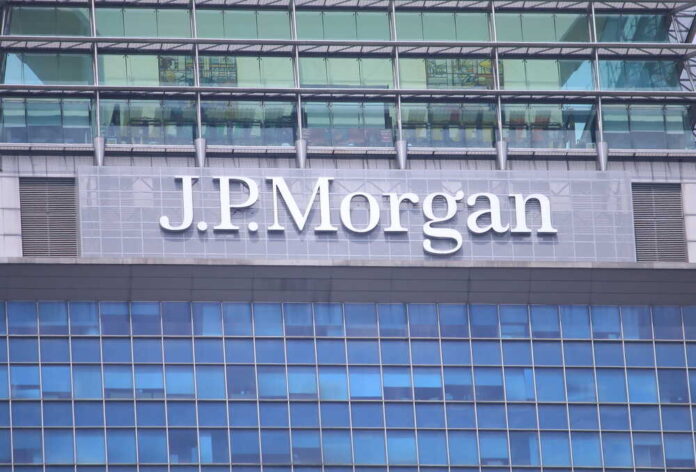
When America’s largest bank disclosed it had flagged more than $1 billion in transactions tied to Jeffrey Epstein, after his death and following years of internal warnings, the disclosure raised significant questions about how money and influence may have masked illicit activity.
Story Snapshot
- JPMorgan Chase flagged $1B+ in suspicious Epstein transactions to the Trump administration only after Epstein’s death.
- Internal warnings about Epstein’s accounts went unheeded for over a decade, involving high-profile Wall Street names.
- Unsealed court documents reveal the bank’s actions and raise sharp questions about regulatory and leadership failures.
- Public outrage and congressional scrutiny now target both JPMorgan and government regulators for their roles.
JPMorgan’s Long Shadow Over Epstein’s Finances
Epstein maintained a banking relationship with JPMorgan Chase spanning from the late 1990s into the 2010s. While anti-money-laundering (AML) officers raised alarms over substantial cash withdrawals and payments to women in U.S., Eastern Europe and Russia, senior executives kept the account active. Internal records show that the bank filed a major SAR in 2019 after Epstein’s death that identified roughly 4,700 transactions and more than $1 billion linked to his network. The transaction list reportedly referenced prominent individuals—including Leon Black, Glenn Dubin, Alan Dershowitz—and trusts tied to Leslie Wexner.
Who Knew What, and When?
The earliest red flags at JPMorgan trace to 2002, when the bank’s AML team noticed patterns of frequent withdrawals just under reporting thresholds. Even after Epstein’s 2008 guilty plea, the bank did not immediately end the relationship. According to filings by the U.S. Virgin Islands, JPMorgan executives including CEO Jamie Dimon are under investigation for their oversight of the matter. Meanwhile, the bank and government regulators are being questioned about why no immediate action followed multiple SAR filings and internal warnings, although prosecutors have not yet brought criminal charges against the bank.
The Fallout: Accountability, Reform, and Industry-Wide Shockwaves
JPMorgan now faces reputational damage, regulatory exposure and lawsuits including a $75 million settlement with the U.S. Virgin Islands in 2023. For the broader financial industry, the case highlights that strong compliance frameworks are insufficient if senior leadership does not act on warnings. Analysts and lawmakers are calling for tougher anti-money-laundering (AML) and know-your-customer (KYC) standards—particularly for high-net-worth clients and their networks.
JPMorgan Chase alerted Trump admin to over $1B in ‘suspicious’ transactions involving Epstein and prominent Wall Street figures: report
Source: The Independent https://t.co/CHCoSD0Dlw— Obedience Is Not Patriotism (@jlsslw) November 1, 2025
How Far Will Accountability Go?
The unsealing of JPMorgan’s internal documents has intensified scrutiny of major banks and regulators. While none of the Wall Street figures named in the SAR have been criminally charged in relation to Epstein, the pressure from public opinion and lawmakers is mounting. The question remains whether this episode will catalyse lasting reform or become a scandal that recedes without systemic change.