The VA is moving to place some homeless and at-risk veterans under court-ordered guardianships—an intervention that can unlock medical decisions fast but also strips personal autonomy in ways that demand strict safeguards.
Story Snapshot
- A March 11, 2026 VA-DOJ memorandum lets VA attorneys act as special assistant U.S. attorneys to initiate state-court guardianship or conservatorship cases for certain “unrepresented” veterans.
- The focus is veterans deemed unable to make medical decisions, especially those who are homeless or at risk of homelessness and lack family or legal representation.
- Advocacy groups warn the policy could erode due process, increase institutionalization, and damage trust between veterans and the VA.
- Officials argue the step is meant to speed care decisions and post-acute transitions for patients who otherwise have no decision-maker.
What the VA-DOJ agreement authorizes—and why it matters
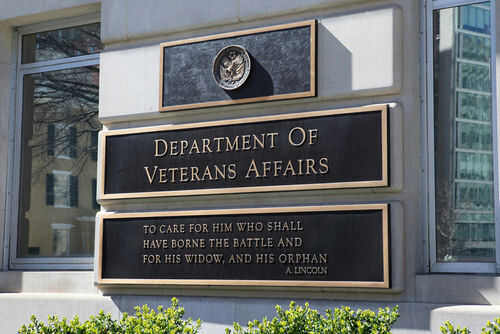
The Department of Veterans Affairs and the Department of Justice announced an agreement on March 11, 2026, designed to help VA clinicians secure timely medical decisions for veterans who cannot legally consent and have no available surrogate. Under the memorandum of understanding, VA attorneys can be appointed as special assistant U.S. attorneys to help initiate guardianship or conservatorship proceedings in state courts. The target population is “unrepresented” veterans, often homeless or at risk, who need decisions during care and discharge planning.
The VA frames the change as a practical fix for a recurring dilemma: hospitals cannot safely discharge or place certain incapacitated patients into post-acute settings without a legal decision-maker. The agency has said it has handled hundreds of cases involving veterans without representation, and the MOU is meant to formalize a pathway that can be used when clinical determinations indicate the veteran cannot make decisions. Courts, not VA staff, ultimately decide whether a guardianship is granted.
The population at the center: homelessness, mental illness, and “unrepresented” status
The backdrop is a persistent homelessness problem among veterans, with annual counts placing the number around 33,000 nationwide. Reporting tied to the announcement also cites that up to 60% of homeless veterans have mental illnesses, linked in many cases to combat trauma, military sexual assault, or difficulties after leaving civilian life. The VA initiative is aimed at veterans already in the system—especially those who lack family or legal support—where the absence of any decision-maker can freeze critical care choices.
The policy also arrives amid a broader shift in federal posture toward homelessness. Coverage surrounding the rollout describes an approach that is moving away from “housing-first” priorities and toward treatment programs and a more enforcement-oriented stance. That context matters because guardianship can be a blunt instrument: it may solve immediate decision-making problems, but it can also push people toward institutional pathways if alternatives like supported decision-making, community-based services, or housing stabilization are not prioritized first.
Due process concerns: speed versus rights protections
Paralyzed Veterans of America responded publicly on March 13, 2026, warning that guardianship is a severe legal remedy that can remove fundamental rights, and it questioned whether the new arrangement contains enough transparency and procedural protection for the veterans affected. Other advocates, including the National Coalition for Homeless Veterans, have urged the government to use guardianship sparingly, with strong safeguards, arguing that even well-intended legal interventions can erode trust if veterans feel the system is acting “on” them rather than advocating “for” them.
The core constitutional and civil-liberties question is not whether courts can appoint guardians—they can—but whether the process consistently protects an individual’s rights when the federal government is helping drive cases into state courts. The VA says the objective is timely care, yet critics argue the practical reality of guardianship can involve long-lasting loss of autonomy. The available reporting also notes a key limitation: there is scant national data on how many veterans are currently under public guardianship, making oversight and measurement harder.
What Congress and watchdogs will likely scrutinize next
Some Capitol Hill stakeholders were reportedly surprised by the announcement, and at least one senior Senate Democrat on veterans’ issues raised concerns about the lack of congressional review. That political reaction signals a likely next phase: oversight requests for the MOU’s criteria, how “incapacity” is determined, what less-restrictive options must be attempted first, and whether veterans are guaranteed independent counsel in state proceedings. Those details will determine whether this policy is a narrow tool for rare cases or a pipeline into government-managed life decisions.
VA announces plan to put some veterans in guardianships https://t.co/FBjvOxkedk
— Task & Purpose (@TaskandPurpose) March 15, 2026
For veterans and families watching from the outside, the most practical takeaway is to focus on safeguards and transparency rather than slogans. The stated benefit is faster access to necessary care for people with no one to speak for them. The risk—highlighted by multiple advocacy groups—is that “help” becomes control, especially for homeless or disabled veterans who already distrust bureaucracy. With courts making final rulings, the burden now shifts to public scrutiny: ensure due process is real, individualized, and never treated as paperwork.
Sources:
VA plans to seek public guardianship for some veterans deemed unable to care for themselves
PVA statement regarding VA-DOJ MOU
DOJ, VA sign agreement to improve care for nation’s most vulnerable veterans
Trump admin homeless veterans legal guardianship
VA, DOJ sign agreement to improve care for nation’s most vulnerable veterans
NCHV statement on VA-DOJ agreement affecting guardianship proceedings for veterans
VA, DOJ formalize guardianship process for unrepresented veterans
DOJ and VA MOU threatens disability rights